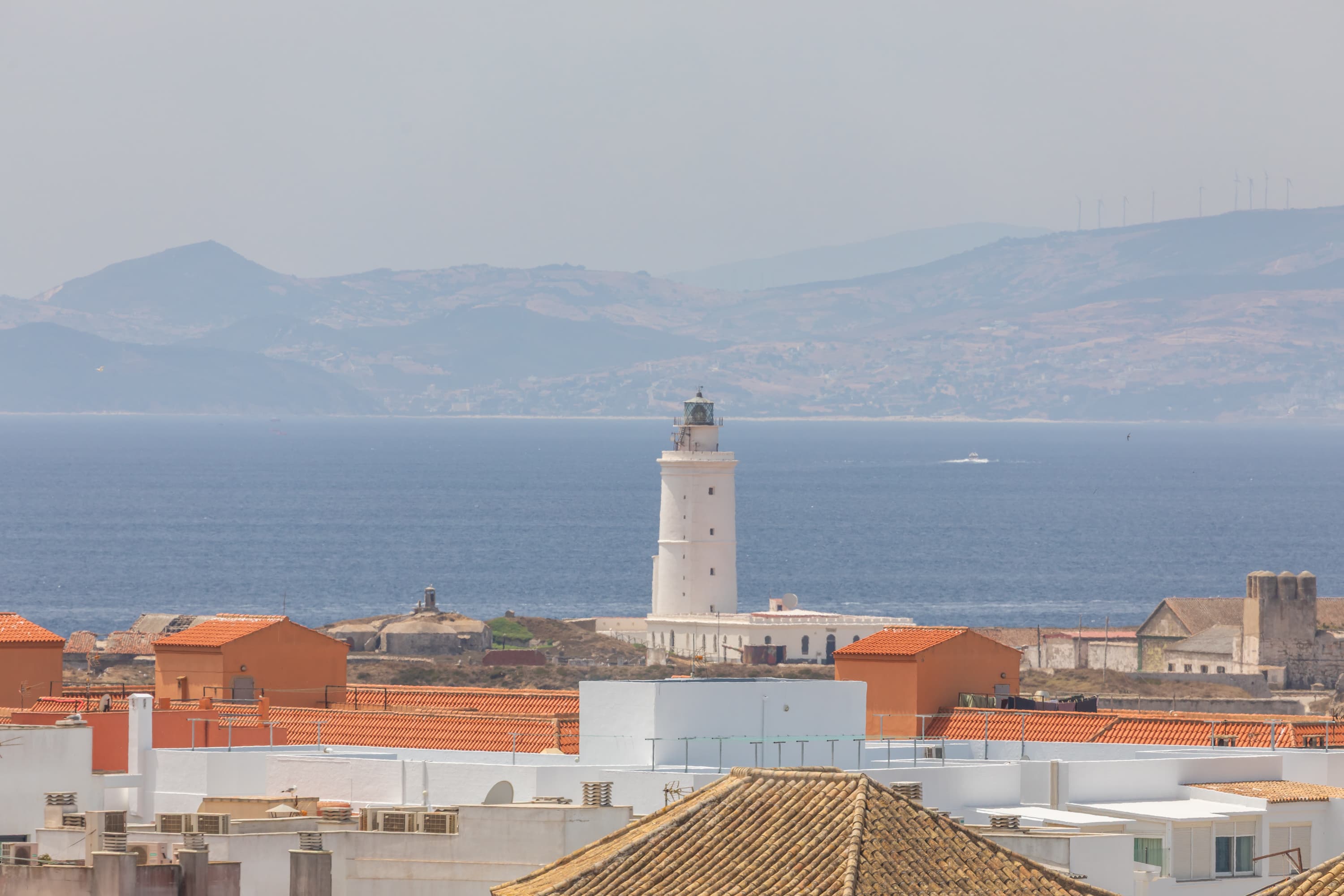
Tarifa, Spain: The Complete Holiday Guide for UK Visitors
Tarifa is not like the rest of the Costa. There are no package holiday hotels, no all-inclusive resorts, no strip of British pubs running down to the beach. What there is instead is a Moorish old town on the southernmost tip of continental Europe, a stretch of Atlantic coastline that faces Morocco fourteen kilometres across the water, and a wind that blows reliably enough to have made it the kitesurfing capital of the world. People who discover it tend not to go back to the Costa del Sol.
This is the complete guide for UK visitors: how to get there, when to go, where to stay, and what to do.
Where is Tarifa?
Tarifa sits at the southwestern tip of Spain, in the province of Cádiz, Andalusia. It is the southernmost point in continental Europe, closer to Africa than it is to Madrid, and positioned exactly where the Atlantic Ocean meets the Mediterranean Sea.
The town is small: around 18,000 people in the municipality, with the old town enclosed within medieval Moorish walls. The main beach, Los Lances, stretches north from the old town walls along the Atlantic. Morocco is visible on clear days, and the Strait of Gibraltar runs past the headland to the east.
It is not on the way to anywhere. You do not pass through Tarifa en route to somewhere else. People come here specifically, and those who do tend to return.
Getting to Tarifa from the UK
The most practical option for UK visitors is a direct flight to Málaga, followed by a 90-minute drive to Tarifa on the AP-7 toll motorway.
Málaga Airport (AGP) is the main hub for this part of Spain, with more direct UK routes than any other airport in the south. Carriers include British Airways (from Heathrow), easyJet (Gatwick, Luton, Bristol, Edinburgh, Manchester), Ryanair (Stansted, Edinburgh, Manchester, Liverpool), and Jet2 (from multiple UK regional airports). The drive to Tarifa follows the coast southwest through Marbella and Estepona.
Gibraltar Airport (GIB) is 45 minutes from Tarifa and a good option if you can find the right route. British Airways flies direct from Heathrow; easyJet also has services. Fewer routes, but the short transfer is a genuine advantage if the timing works.
Jerez Airport (XRY), 100 km from Tarifa, is worth checking for Ryanair budget routes, particularly in shoulder season.
Car hire is recommended. Tarifa's old town is compact and walkable, but the beaches outside town, the national park, and the day trip to Morocco are all easier with a car. Málaga has the most competitive hire prices in the region; book in advance for July and August.
For full detail on all four airports, transfer options and car hire tips, see our complete guide to getting to Tarifa.
When to Go
Tarifa is a year-round destination with genuinely good weather outside the winter months. The choice of when to go depends on what you want from the trip.
| Season | Temp | Wind | Crowds | Best for |
|---|---|---|---|---|
| Spring (Apr–May) | 19–23°C | Moderate | Low | Uncrowded beaches, wildflowers, great value |
| Early summer (Jun) | 24–26°C | Strong | Medium | Best all-round month |
| Peak summer (Jul–Aug) | 28–32°C | Very strong | High | Kitesurfers; challenging for sunbathers |
| Autumn (Sep–Oct) | 22–27°C | Easing | Low–medium | Warm sea, fewer crowds, excellent value |
| Winter (Nov–Mar) | 13–17°C | Variable | Very low | Remote workers, serious kitesurfers |
For most UK visitors, June and September are the strongest choices. June offers reliable warmth, the kite season in full swing but not yet overwhelming, and long evenings with fully open restaurants. September keeps the summer warmth while the crowds thin and prices ease. Both months give you the best version of the place without the August intensity.
For a complete month-by-month breakdown, see our best time to visit Tarifa guide.
Where to Stay in Tarifa
Accommodation in Tarifa falls into three main types: old town apartments and small hotels within the medieval walls, beach-adjacent apartments and hotels on the northern edge of town near Los Lances, and rural properties outside the town in the hills or near the national park.
Old town: The most atmospheric option. Narrow streets, sea views from rooftops, walking distance to the best restaurants and bars. Suitable for couples and small groups who want to be in the heart of things. Note that many old town properties have no parking; check before you book if arriving by car.
Near Los Lances beach: Practical for kitesurfers and beach-focused visitors. The main beach is on the doorstep, though you lose some of the old town character. A range of modern apartments and smaller hotels in this area.
Rural: Cortijos and rural houses in the hills above Tarifa offer privacy and dramatic Strait views, but require a car for everything. Good for longer stays or groups who want space.
Terraza Atlántica sits between both worlds: a ten-minute walk from the old town and the kitesurfing beaches, elevated above the rooftops with Atlantic-facing terraces and a rear terrace looking directly south across the Strait toward Africa. Secure underground parking included, which removes the old town parking problem entirely. Available year-round with long-stay rates for those who want to settle in for a season. Check availability.
For a full breakdown of areas, accommodation types and what to prioritise for different kinds of trip, see our guide to where to stay in Tarifa.
What to Do
Tarifa has considerably more going on than its size suggests. The following is a brief overview; each activity has its own detailed guide.
Kitesurfing and wing foiling: If you have any inclination to try it, Tarifa is the right place. Tarifa Max and KTS are among the recommended schools on Los Lances. IKO-certified instruction, equipment provided, lessons from €65. See our full kitesurfing guide.
Whale and dolphin watching: The Strait of Gibraltar is one of the richest cetacean corridors in Europe. Fin whales, sperm whales, pilot whales and multiple dolphin species pass through year-round. Two-hour boat trips from Tarifa harbour run April through October. See our whale watching guide.
Day trip to Morocco: Tangier is 35 minutes by fast ferry from Tarifa harbour. UK citizens do not need a visa; you need a valid passport. The crossing runs multiple times daily. A guided day trip is recommended for a first visit. See our Morocco day trip guide.
The old town: Two castles (Castillo de Guzmán and Castillo de Santa Catalina), Moorish walls, whitewashed streets and some of the best restaurants in the region. Allow an evening to explore without a plan.
Bolonia and the beaches: Twenty minutes north, Bolonia is one of the finest beaches on the Spanish Atlantic coast, with Roman ruins (Baelo Claudia) at the northern end and a vast sand dune behind it. See our beaches guide.
Bird migration watching: Tarifa is the primary crossing point for the autumn raptor migration between Europe and Africa. Hundreds of thousands of birds of prey pass through each August and September.
For the full list, see our things to do in Tarifa guide.
Getting Around
A hire car is strongly recommended. The old town itself is walkable, but Los Lances beach is a 15-minute walk from the centre, and the best beaches (Bolonia, Valdevaqueros, Punta Paloma) are 10–25 minutes by car. There is no practical public transport between these spots.
Pick up your hire car at Málaga Airport, where competition keeps prices lower than at smaller airports. Hold onto it for your whole stay rather than hiring locally; Tarifa's hire options are limited.
Within the old town, everything is on foot. Parking in the old town itself is difficult; there are paid car parks on the edges of the walls, and properties with private parking (like Terraza Atlántica) remove the problem entirely.
Taxis are available for town use and for transfers to the ferry port. The Morocco ferry terminal is right next to the old town and is walkable from most central accommodation.
Eating and Drinking
Tarifa eats well. The combination of fresh Atlantic fish and seafood, Andalusian culinary tradition, and a cosmopolitan visitor base has produced a restaurant scene that punches above what a small town should be able to manage.
The essential things to eat: fresh tuna in any form (the spring Almadraba catch is extraordinary), coquinas (tiny clams with white wine and garlic), tortillitas de camarones (crisp shrimp fritters), and any fresh catch on the day's menu. The old town has the best concentration of restaurants.
See our guide to the best restaurants in Tarifa for specific recommendations.
Practical Information for UK Visitors
Passport and entry: UK citizens need a valid passport (not a national ID card) to enter Spain. Since Brexit, the UK is outside the Schengen Area: UK passport holders can stay for up to 90 days in any 180-day period without a visa. Your passport will be stamped on entry. Ensure your passport has at least six months' validity beyond your travel dates.
Currency: Spain uses the Euro. ATMs are available in the old town and at the ferry port. Cards are widely accepted, though some smaller bars and market stalls prefer cash.
Time zone: Spain is one hour ahead of the UK year-round.
Language: Spanish. Some English is spoken in tourist-facing businesses, though the level varies. A few words of Spanish (greetings, ordering, directions) are appreciated. Tarifa has a significant international population, so English is more widely understood than in some inland Andalusian towns.
Mobile data: UK mobile roaming charges vary by operator since Brexit. Check with your provider before travelling. Many UK operators include EU roaming in standard plans; confirm this applies and whether there are usage caps.
Weather and packing: Even in summer, evenings can be cool in Tarifa, particularly on Levante days when the wind does not drop after dark. Bring a light windproof layer regardless of the season. High-factor sunscreen is essential from May through October. For the beaches, a beach windbreak or shelter is worth packing for strong wind days.
Safety: Tarifa is a safe destination. Standard precautions apply: keep valuables out of sight in parked cars, use hotel safes for passports, and be aware of your surroundings in crowded areas. The Morocco day trip is also straightforward, though a guided tour is recommended for first-time visitors to Tangier.
Terraza Atlántica is available year-round and well suited to the full range of trip lengths, from a long weekend to an extended winter stay. Ten minutes' walk from the old town and the beach, with Atlantic terraces, secure parking, and a rear view directly across the Strait to Africa. Check availability and dates.
Frequently Asked Questions
Do UK citizens need a visa to visit Tarifa, Spain?
No. UK citizens can visit Spain for up to 90 days in any 180-day period without a visa. You need a valid passport, not just an ID card. Your passport will be stamped on entry and exit.
What is the best time of year for a UK holiday to Tarifa?
June and September are the strongest choices: warm, sunny, and less crowded than peak summer. May and October are excellent shoulder months. July and August guarantee heat and wind but are the busiest and most expensive period.
How do you get to Tarifa from the UK?
Fly direct to Málaga, then drive 90 minutes on the AP-7 motorway. Málaga has direct services from most major UK airports. Gibraltar is 45 minutes from Tarifa and has some BA and easyJet routes from London. See our full guide to getting to Tarifa.
Is Tarifa expensive?
Moderately priced and good value compared to much of the Spanish coast. A good dinner with wine costs €30–45 per person. Accommodation and car hire are the main costs. The main beach is free, whale watching trips cost around €35 per person, and a Morocco day trip with guide costs approximately €65–90.
Is Tarifa good for non-kitesurfers?
Yes. Whale watching, the Morocco ferry, Bolonia beach and Roman ruins, the old town, the restaurants, and the bird migration are all independent of wind sports. Most non-kitesurfers are surprised by how much is available.
Is Tarifa safe for UK visitors?
Yes. Standard travel precautions apply. The town is small and the main visitor areas have no particular safety concerns. The Morocco day trip is also well-established for independent travellers, though a guided tour is recommended for first-time Tangier visitors.
Come and see for yourself.
The terrace faces south. Africa on the horizon.